


In many compact fluid-control components, one material is often not enough to meet the full application requirement. A rigid thermoplastic may be needed for structure, geometry, and manufacturability, while an elastomer is needed for sealing, flexibility, or interface performance. Polypropylene, often shortened to PP, is a low-density thermoplastic with strong chemical resistance to many acids, alcohols, and bases. Silicone rubber is widely used for seals, gaskets, and medical device applications because of its thermal and environmental resistance.
Properties and Attributes of Polypropylene & Silicone
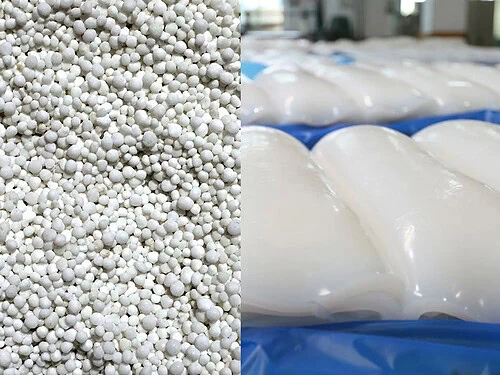 Chemical Compatibility: Polypropylene offers a highest level of resistance against dilute and concentrated acids, alcohols, and bases, specifically non-oxidizing. PP also holds up against aldehydes, esters, aliphatic hydrocarbons, and ketone, with limited resistance to aromatic and halogenated hydrocarbons and oxidants.
Silicone rubber offers good resistance to oxygen, ozone, sunlight, and organic compound solvents. Along with being hydrophobic, the rubber is also resistant to electromagnetic and particle radiation.
Temperature Performance: Polypropylene has higher heat resistance than many commodity plastics, but still has a typical operation range of 0°C to 160°C. Falling too far below this level can cause the material to become too brittle, while too much of an increase can lead to increased risk of chemical attacks or melting.
Silicone rubber has a much larger range, and is often selected when the elastomer needs to remain flexible at low temperatures or tolerate extreme temperatures. Due to the strength of the Si-O bands (stronger than single Carbon bonds), silicone rubber can withstand -50°C to 300°C.
Compliance Requirements: Air Logic monitors a wide variety of product compliance areas. This includes Conflict Minerals, EU REACH, EU RoHS, EU MDR, PFAS requirements, and more through Assent described on our Compliance Page.
Limitations and Caution Areas
Even useful material combinations need careful review before being specified into an OEM component.
Bonding and Assembly: Polypropylene is a low-surface-energy plastic, meaning materials such as polypropylene can be difficult to bond without the right adhesive, surface treatment, or mechanical design. For that reason, design engineers should evaluate whether the silicone element will be mechanically retained, compressed as a seal, bonded with a compatible process, or validated through application-specific testing. Air Logic’s expert sealing designs allows the Silicone to remain trapped and seal between mated surfaces, such as O-rings, or single walls, such as check valves.

Chemical Exposure: Polypropylene should be checked carefully when the application involves aromatic hydrocarbons, halogenated hydrocarbons, or oxidizing agents. Silicone should also be evaluated against the actual fluid, cleaning agent, and exposure duration rather than assumed compatible because it is common in seals and gaskets. For more details on chemical resistance, check out per material: Chemical Compatibility Charts
Common Applications and Market Fit
Medical Device and Life Science Components
Polypropylene and silicone can be a strong pairing when a component needs to consider biocompatibility. Both PP and Silicone rubber have biocompatible options available to help fit into your requirement restraints. This along with the vast overlapping chemical resistance to various fluids commonly encountered with medical equipment, and temperature tolerance for sterilization mark this combination as a high performer.
Microfluidics and Analytical Devices
For microfluidic or analytical equipment, the smallest of infringements can impact your process and results. Material degradation can be a significant consideration in these areas precisely because of this factor. This along with notable sealing capabilities offer superior control in these sensitive situations.
Consumer Product OEM Components
For consumer products, polypropylene can support lightweight molded housings, fittings, or caps, while silicone can support sealing or user-contact interface features. Polypropylene is low-density and widely used in molded plastic applications, and silicone rubber is known for flexibility, durability, and color-matching options.
Air Logic Products
Discover how this material combination excels by checking out Air Logic’s various Swivel Fittings and Umbrella Check Valves, and selecting Polypropylene and/or Silicone under Wetted Materials on the Left pane.
Conclusion
The Polypropylene/Silicone combination is most useful when the design needs both a rigid molded thermoplastic feature and a flexible elastomeric feature. It can be a practical option for medical device, microfluidic, analytical device, and consumer product OEMs when chemical exposure, temperature range, bonding method, seal geometry, and compliance requirements are reviewed early.
For design engineers, the key is not just asking whether PP and silicone alone are good materials. The better question is whether the materials can work together not only in your expected environment but also produce superior results. For more feedback or suggestions on material combinations, feel free to reach out to our dedicated team of inhouse design engineers by contacting us today!
Don’t miss out on the latest information!
Sign up to receive Air Logic’s blogs by email today