



What Are PFAS?
 Per- and polyfluoroalkyl substances (PFAS) have become a major focus across industries, from medical devices to consumer products, due to increasing regulatory scrutiny and environmental concerns. For engineers designing miniature pneumatic systems, fluid handling assemblies, and flow control components, understanding PFAS is becoming a critical design requirement. As OEMs continue searching for PFAS-free pneumatic components that meet performance requirements, engineers are reevaluating the materials used in fluid control systems.
PFAS are a group of thousands of synthetic chemicals constructed by chains of linked carbon and fluorine. This carbon-fluorine bond is one of the strongest bonds and do not degrade easily. This creates the resistance that PFAS is known for: against heat, chemicals, and moisture. These properties have made them widely used in applications such as:
- Non-stick coatings
- Chemical-resistant seals and tubing
- Water- and oil-repellent materials
From an engineering perspective, PFAS-containing materials, such as PTFE or certain fluoropolymers, are often chosen for their excellent chemical resistance, low friction, and durability. However, these same properties also make PFAS extremely persistent in the environment. This has led to them being commonly referred to as “forever chemicals”.
Why PFAS Are Under Scrutiny
PFAS do not readily break down and can accumulate in the environment and in the human body over time. As a result:
- Regulatory bodies are tightening PFAS restrictions.
- OEMs are implementing PFAS-free requirements throughout their supply chains.
- Industries such as medical devices, analytical instrumentation, food and beverage systems, and consumer products are facing increased compliance pressure.
Currently, the most significant urgency on PFAS is reporting on the materials. Regulations can vary depending on state and country, but currently the major motif is preparing for possible restrictions in the future, rather than currently applying. As there is still much unknown about the true permanence and impacts of these materials, there is not an overarching stipulations. Even still, many companies are proactively eliminating PFAS from their designs to reduce future redesign costs along with long-term compliance risk.
How PFAS Impacts Component Design
For engineers working with miniature pneumatic systems, PFAS considerations often come down to material selection and chemical compatibility. Some high-performance materials commonly used in fluid control components and systems may fall under PFAS-related scrutiny, including:
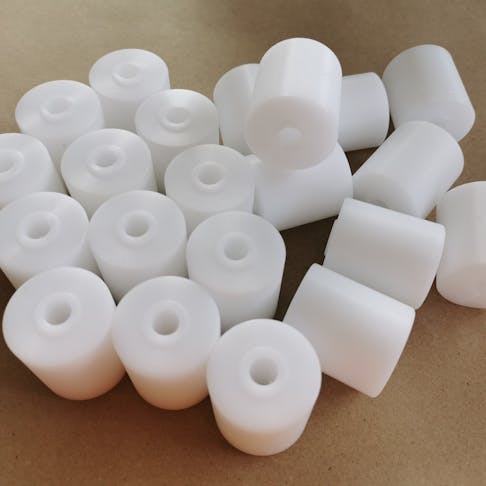
These materials are valued for chemical resistance, low friction, and high temperature stability. In PFAS-sensitive applications, engineers are increasingly evaluating PFAS-free materials and alternatives that still deliver reliable performance.
PFAS-Free Design Considerations
Transitioning away from PFAS is not always straightforward. Engineers must balance a tangle of chemical compatibility, mechanical performance, regulatory compliance, and manufacturability. Each alternative comes with trade-offs, so early design evaluation is critical. Some common PFAS-free material options they may consider include:
- Polypropylene (PP) – offers good chemical resistance and is widely used in fluid handling.
- Nylon – provides strength and durability for many pneumatic applications.
- Polysulfone (PSU) – high-performance plastic often used in medical environments.
- Silicone or Buna elastomers – depending on sealing requirements.
What This Means for Air Logic Customers
Air Logic’s product line is well positioned for customers navigating PFAS concerns. We support customers by clearly identifying material compositions and helping evaluate compatibility with PFAS requirements and other standards such as ROHS, REACH, Prop 65, and Conflict Minerals reporting. The Product Compliance page details how Air Logic partners with Assent to monitor for compliance regulations.
Design Support

PFAS compliance often requires rethinking component selection rather than simply swapping materials. Air Logic’s team of engineers work to:
- Identify PFAS risks in current designs
- Recommend alternative materials
- Maintain performance while meeting compliance goals
- Support pneumatic system optimization for medical devices, analytical devices, and consumer products
When Should You Start Considering PFAS?
If you are designing for any of the following markets, PFAS should already be on your radar:
- Medical devices
- Analytical instrumentation
- Food and beverage systems
- Consumer products
- Fluid handling systems
Even if PFAS restrictions are not yet mandatory, many OEMs are implementing internal requirements now to future-proof their designs.
Air Logic is here to support that process with PFAS-aware material options and engineering guidance tailored to miniature pneumatic systems. If you are reviewing your design for PFAS or exploring alternative materials, our team can help you identify the right components for your application. Check out our Catalog Options, or Contact Us to find the right choice for your project today!
Don’t miss out on the latest information!
Sign up to receive Air Logic’s blogs by email today