


In many fluid handling systems, a combination of tough plastic and resilient rubber is used to create reliable, cost-effective fittings. One common pairing is Nylon (polyamide) for the rigid component and Buna-N (nitrile rubber) for the elastomer seals. Nylon offers strength, light weight, and chemical resistance, while Buna provides flexible sealing and compatibility with oils and fuels. The key properties of these materials allow this combination to fit so well in various markets.
Properties and Attributes of Nylon & Buna
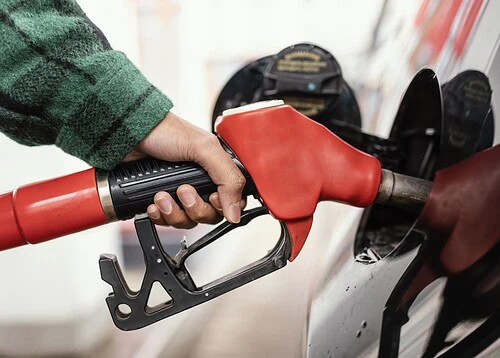
Chemical Compatibility: Both Nylon and Buna excel in petroleum-based environments. Nylon is generally resistant to oils, gasoline, diesel, mineral spirits, and many other hydrocarbons. This makes it ideal for fluid connectors and housings carrying fuel, oil, or air. Buna similarly offers excellent resistance to petroleum oils, fuels, hydraulic fluids, and even water and alcohols. Buna is a widely used elastomer due to the resistance to these materials without swelling or degrading.
Temperature Range: Nylon and Buna-N both perform well in moderate temperature ranges typical of engines and industrial equipment. Standard nylon can operate down to around -20 °C before it becomes brittle, and up to roughly 120 °C. Nitrile rubber’s working range is similar, typically about -35 °C on the low end, to 120 °C on the high end. Both materials will degrade if pushed beyond their limits (Nylon can deform with high heat, while Buna will harden or crack over extreme cold), but within their ranges they maintain good performance.
Longevity and Reliability: Nylon is a durable engineering plastic. It resists abrasion and has high mechanical strength. Nylon also does not rust or corrode like metal, which helps longevity. Buna-N rubber, for its part, is valued for its ability to retain its shape under compression, high tensile strength, and excellent abrasion resistance. Together, these properties translate to long-term reliability. A Nylon/Buna fitting can endure years of vibrations, temperature swings, and pressure cycles in industrial or mechanical settings.
Environmental Compliance: Engineers today must consider regulations like RoHS and REACH when selecting materials. Fortunately, Nylon and Buna generally meet these requirements. Additionally, since neither Nylon or Buna contain any of the designated “conflict minerals” (tungsten, tin, tantalum, or gold), manufacturers can typically declare parts made of these materials to be conflict-mineral free.
Limitations and Caution Areas
Even great materials have their weaknesses. When applying Nylon/Buna components, engineers should keep the following limitations in mind.
Moisture Absorption in Nylon: Most nylons are hygroscopic, meaning they absorb moisture from the environment. Over time, nylon parts can swell and change dimensions. Mechanically, water acts as a plasticizer in nylon, making it softer and more flexible (which can actually increase impact resistance) while reducing its stiffness. Thankfully, this effect is reversible. If the part dries out, it shrinks back. To mitigate issues, Air Logic uses Nylon 6/6 to minimize moisture absorption.
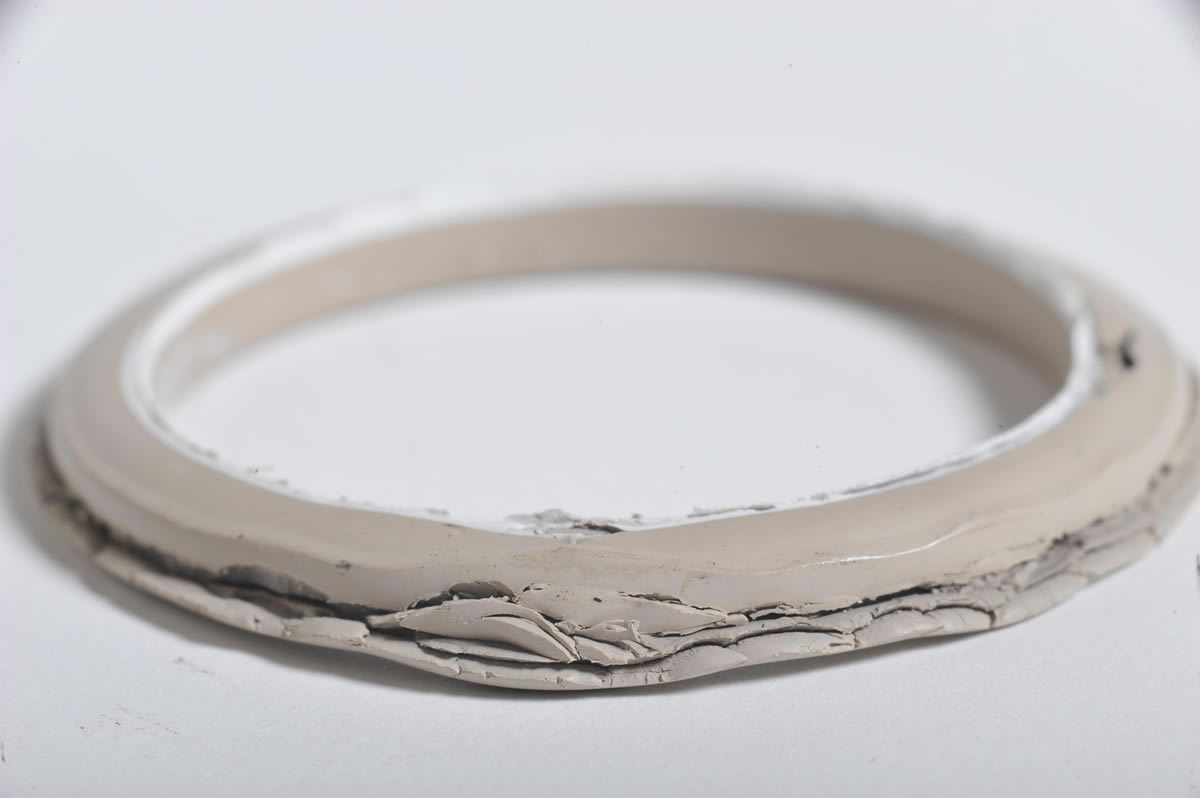 Chemical Incompatibilities of Buna-N: Nitrile rubber is a great general-purpose elastomer, but it does not hold up well against certain chemicals. Notably, strong polar solvents and strong oxidizing agents will degrade standard nitrile. The polymer chains in Buna can be broken or chemically altered by these aggressive media, leading to softening, cracks, or loss of elasticity. Always check a chemical compatibility chart if there’s any doubt.
Common Applications and Market Fit
Given their attributes and limitations, the Nylon + Buna combination is a sensible option in quite a few places. This pairing hits a sweet spot of performance and cost that suits many fluid systems.
Automotive and Small Engine Systems
The automotive industry has widely embraced Nylon and Buna in fuel, oil, and air handling systems. Modern cars often use nylon fuel lines and connectors instead of metal. Nylon is lightweight, cheap, and corrosion-free, yet holds up well under fuel pressure. These Nylon components paired with Buna O-rings or gaskets ensure a leak-proof seal for gasoline or diesel. The combination of a Nylon structural part with nitrile seals provides a rugged assembly at a fraction of the weight of metal alternatives. This pairing can be found from lawnmower fuel tank fittings to automotive evaporative emission connectors. The key is that these applications involve petroleum fluids and operate within moderate temperatures – a perfect fit for the materials’ capabilities.
General-Purpose Industrial Fluid Systems
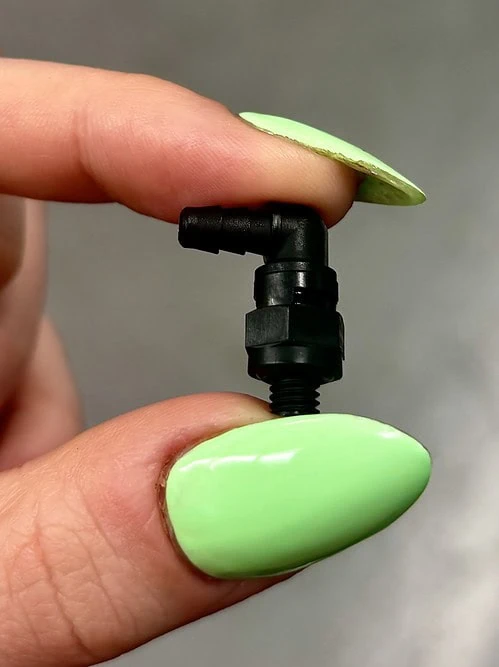
In industrial settings, Nylon and Buna often team up in fluid connectors, couplings, and valves for air, water, and mild chemicals. Nylon’s strength and machinability allow it to be made into threaded fittings, hose barbs, quick-connect bodies, and even valve components. For example, Air Logic’s swivel fittings and needle valves utilize the pairing with a Nylon body and Buna O-Ring to create high-quality seals. Various applications benefit from the chemical compatibility. Nylon and Buna-N together can handle oil, many solvents, compressed air, water, and so on without corrosion or significant degradation. An all-metal fitting with a fluoroelastomer seal might outperform Nylon/Buna-N in extreme conditions, but for general-purpose use, the latter often provides perfectly adequate performance at a much lower cost. One caution in industrial use is to mind the limitations of the pair. But for pneumatics, fuel dispensing, lubricating oil systems, and mild chemical handling, the Nylon + Buna combo is a proven ideal choice.
Cost-Sensitive Consumer & Equipment Products
This material pair is found in many consumer products and light equipment, where keeping costs is crucial. Nylon and Buna-N are relatively inexpensive raw materials, especially compared to alternatives like Teflon or fluoroelastomers. Manufacturers of things like pressure washers, garden sprayers, and fuel tanks often use Nylon plastic parts with nitrile seals. For example, a water filter housing might be Nylon with a nitrile O-ring, or a low-cost fuel pump in a generator might use Nylon fittings sealed by nitrile gaskets. By using this combo, product designers hit an ideal mix of adequate performance at minimum cost. Both materials are readily moldable and work with standard manufacturing processes. Environmental compliance is another plus in consumer goods.
Conclusion
The combination of a Nylon plastic component with a Buna-N rubber seal is a time-tested solution in fluid handling. This pair works best with petroleum oils, fuels, air, and water-based fluids, within moderate temperatures, and with some care taken to avoid known pitfalls like moisture swelling or ozone exposure. When applied appropriately, Nylon fittings and Buna-N seals offer long-lasting, reliable service. Whether that’s in the fuel system of your car, the compressor in your shop, or the pump in your backyard sprinkler. They exemplify a practical balance of properties that suits countless general-purpose uses.
In summary, Nylon and Buna-N is a versatile material combination. One that continues to enable affordable and dependable fluid handling solutions across industries. By understanding their properties and limitations, you can confidently specify these materials in your designs, achieving performance needs while keeping an eye on cost and compliance.
Don’t miss out on the latest information!
Sign up to receive Air Logic’s blogs by email today